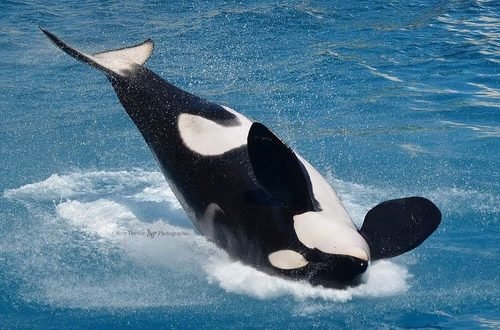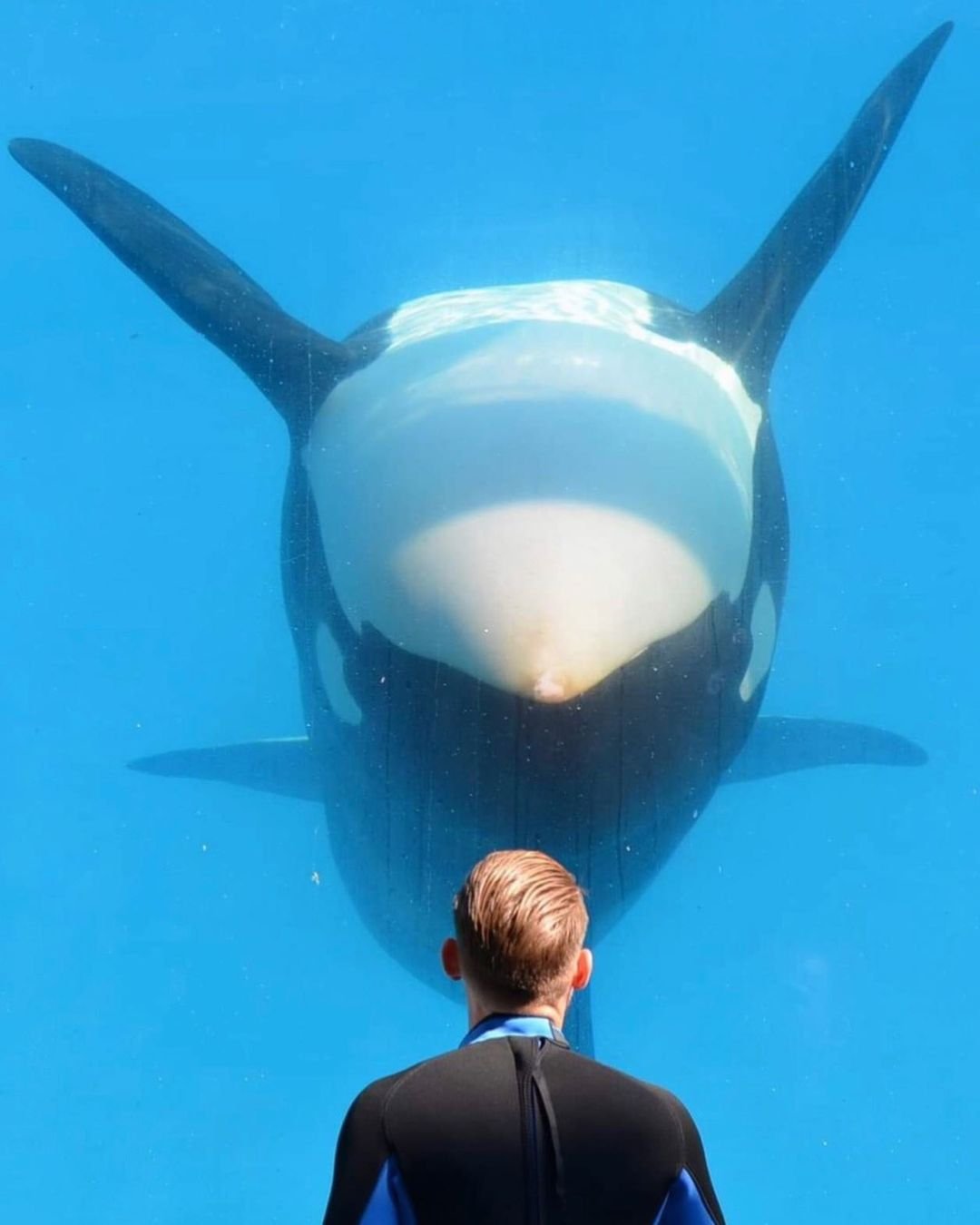
Global Orca ID: GOID-C-1CA
Name: Moana
Sex: Male
Status: Deceased
Classification: Icelandic
Species: Orcinus orca (Orca / Killer Whale)
1. Overview
Moana was a male orca born on 16 March 2011 at Marineland Antibes, a marine park in Antibes, on the French Riviera. He was the first offspring of Wikie, a female orca born at the same facility, and the older maternal half-brother of Keijo, who was born in 2013.
Unlike wild-born orcas, Moana never experienced life in the open ocean. His entire known life was spent in captivity, where his family relationships and surroundings were shaped by the conditions of the marine park.
Moana’s birth was historically notable because he was conceived through artificial insemination using sperm from Ulises, a male orca living at SeaWorld San Diego in California. This was reported as the first successful artificial insemination of an orca in Europe. Ulises therefore became Moana’s biological father without the two ever living together as a family.
Moana lived for approximately 12 years and seven months. He died on 18 October 2023, at the age of 12, from sepsis associated with the bacterium Erysipelothrix rhusiopathiae. His death was a significant loss for the remaining orcas at Marineland, particularly given the small size of their captive family group.
2. Identification
| Field | Information |
| Global Orca ID | GOID-C/1CA |
| Name | Moana |
| Other names | |
| Sex | Male |
| Species | Orcinus orca |
| Population | Icelandic |
| Pod | Marineland Antibes |
| Ecotype | N/A |
| Wild / Captive | Captive |
| Current status | Deceased |
| Date of death | October 18th 2023 |
| Age at death | 12 Years |
| Identification confidence |
Identification Notes

- Dorsal Fin:

- Eye patch:
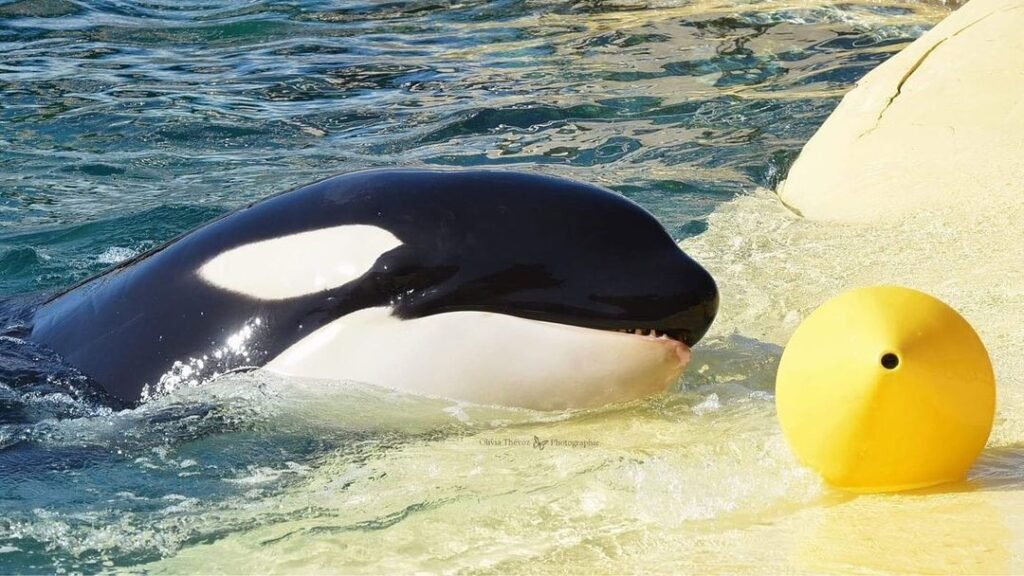
- Body markings:
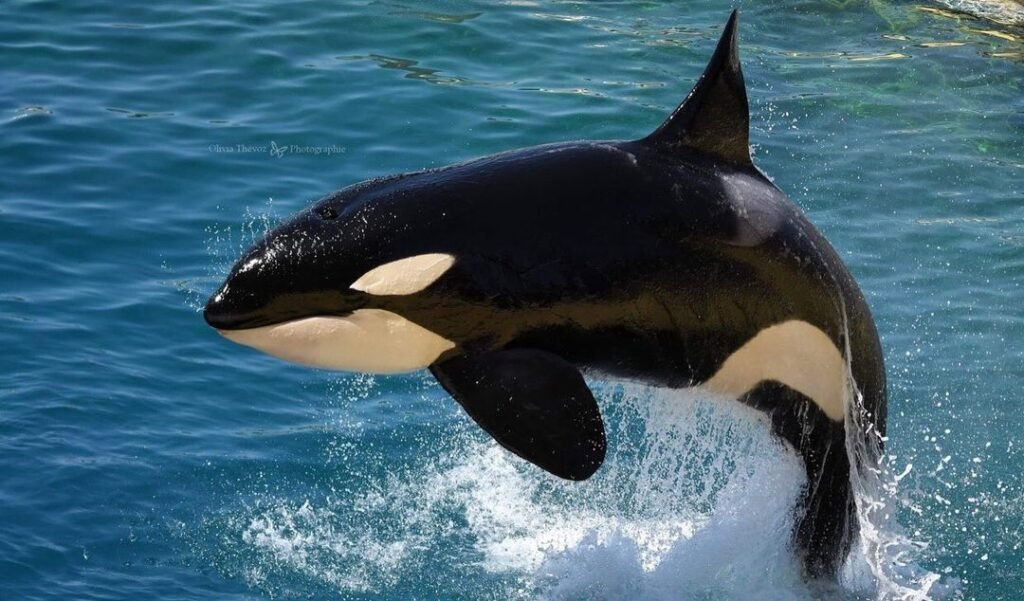
3. Early Life
Birth
Estimated/confirmed birth date: 16th March 2011
Birth location: Marineland, Antibes. France
Wild-born / captive-born: Captive
Moana was born into a family whose history was already shaped by captivity. His mother, Wikie, was only nine years old when she gave birth to him. According to the Whale Sanctuary Project, Wikie had difficulty bonding with Moana after his birth, a challenge that the organisation discusses in the context of her own early upbringing.
Back to Nature
+1
Moana grew up in the same marine park as his maternal uncle, Inouk, and later his younger brother, Keijo. These relationships are an important part of his individual record because they connect three generations of the Marineland Antibes orca family.
4. Capture / Acquisition
N/A
Date:
Location:
Circumstances:
Age at capture:
Other orcas involved:
5. Life History Timeline
Create a chronological record.
| Date | Location | Event | Source |
| 16 March 2011 | Marineland, Antibes, France | Born | Ceta- Base |
| 2011 | France | First orca born Via Artificial Insemination | |
| 20 November 2013 | Marineland, Antibes, France | Younger brother Keijo is born |
6. Locations & Facilities
Location 1
Facility/location: Marineland, Antibes.
Country: France
Dates: 2011-2023
What happened: Spent his entire life here.
7. Family & Social Relationships
Known relatives
Mother: Wikie
Father: Ulises
Siblings: Keijo
Offspring: N/A
8. Offspring
N/A
9. Transfers & Movements
N/A
| Date | From | To | Reason / circumstances | Source |
10. Health & Physical History
March 2014 — Physical measurements
- Recorded length: 3.66 metres.
- Recorded weight: approximately 800 kg.
- Source: Ingrid N. Visser’s October 2021 expert report, citing measurements from March 2014.
April 2016 — Physical observations
- A faint pink area was documented on the chin in photographs.
- Images also recorded the condition of the enclosure at that time.
October 2021 — Subdermal tissue damage
- An independent expert report documented progressive damage to tissue beneath the skin.
- The damage had reportedly been observed over several years and had worsened in the months before the report.
- The precise cause was undetermined.
- The report raised concerns about environmental conditions and recommended independent access to veterinary, behavioural, feeding and water-quality records.


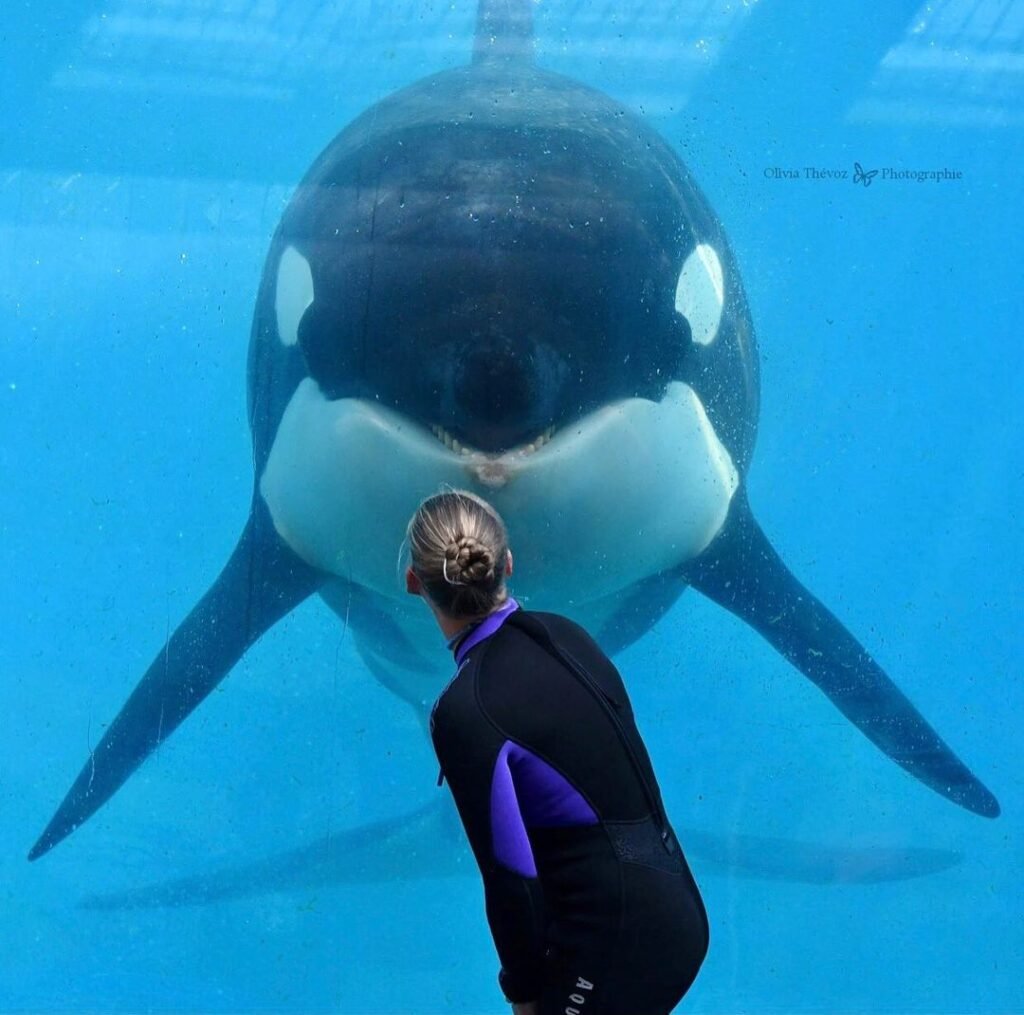
11. Behaviour & Social History
Repetitive swimming
In 2021, One Voice reported that Moana and the other orcas at Marineland displayed repetitive behaviours, including swimming around the pool in circles. Such repetitive behaviour can be a welfare concern in captive cetaceans, particularly when it occurs persistently and limits opportunities for varied activity.
The available reports do not establish how much of Moana’s day was spent in this behaviour, whether it occurred continuously, or how it varied between different periods.
Training and public performances
Moana was observed performing trained behaviours during a show in April 2016. Dr Visser also documented him participating in performances in her October 2021 report, despite the skin and tissue damage she had recorded.
This establishes that Moana participated in structured training and performances. It does not, by itself, establish whether he enjoyed or disliked those activities.
Behavioural and welfare concerns
The independent 2021 report raised concerns about Moana’s welfare and recommended access to his behavioural, feeding, health and aggression records. Those records would have helped establish a more complete picture of his daily behaviour, interactions with other orcas and any changes over time.
Social Interactions
Moana grew up within a small, captive orca group consisting of members of his maternal family. His closest documented family connections were:
- Wikie — mother: Wikie gave birth to Moana in 2011. Their relationship began when Wikie was still a young orca herself.
- Keijo — younger maternal half-brother: Born in 2013, Keijo shared the same mother but had a different father.
- Inouk — maternal uncle: Wikie’s older brother, who lived alongside Moana for much of his life.
These family relationships are confirmed by the facility’s population history and published expert reports. However, detailed, long-term observations of how frequently Moana socialised, played, rested or travelled alongside each relative are limited in the publicly accessible records.
12. Reproductive History
N/A
Pregnancies:
Known calves:
Successful births:
Stillbirths / calf deaths:
Known fathers:
13. Photographic Identification
Key identification photographs
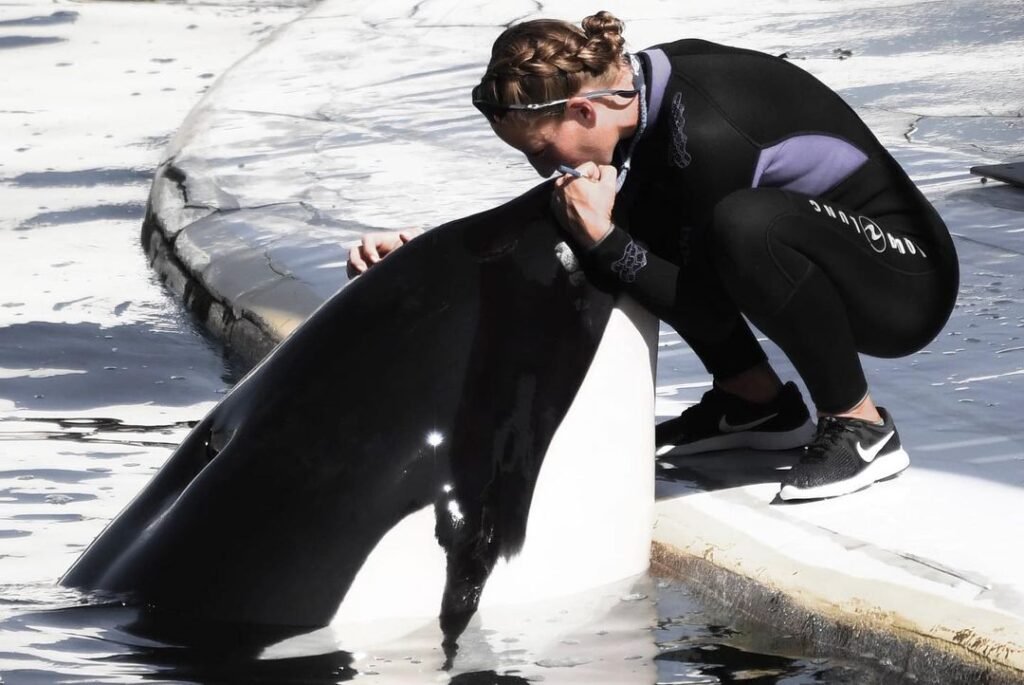
Notable Features:
14. Documented Sightings
N/A
For historical/captive individuals, this can include documented appearances rather than wild sightings.
| Date | Location | Event | Source |
15. Final Years
Moana spent his final years at Marineland Antibes in France, where he lived with his mother, Wikie, his younger maternal half-brother, Keijo, and his maternal uncle, Inouk. During this period, concerns were increasingly raised about his physical health and the conditions in which the orcas were kept.
In October 2021, marine biologist Dr Ingrid Visser documented significant damage to the tissue beneath Moana’s skin. Her report described the damage as having worsened in the preceding months and raised concerns about the condition of the pools and water quality. She recommended that Moana’s veterinary, behavioural and feeding records be made available to independent experts. These were the findings and concerns of an independent researcher, rather than a definitive determination of the cause of his injuries.
Further concerns emerged about his dental health in 2023. According to information published by animal-welfare organisation One Voice, a prolonged dental procedure began in January 2023, with subsequent treatment for infection continuing until shortly before his death. The organisation reported that Moana had experienced a serious dental infection requiring repeated treatment, including antibiotics and pain relief.
16. Death
Date: 16th October 2023
Location: Marieland Antibes
Age: 12 years
Documented cause of death:
Circumstances
On 18 October 2023, Moana died suddenly at the age of 12. His death came shortly after a French court had ordered an independent assessment of his health and that of Inouk. His death initially prompted calls for further investigation, with the cause awaiting the results of a post-mortem examination.
In February 2024, the final post-mortem findings were reported as identifying acute bacterial septicaemia (sepsis) associated with Erysipelothrix rhusiopathiae. The bacterium can cause serious infections in animals. Although Moana’s earlier health problems and dental infection are important parts of his medical history, the available reports do not establish that they directly caused his death.
Moana’s death was a significant loss for his family group. His uncle Inouk died in March 2024, leaving Wikie and Keijo as the two surviving orcas from that immediate family group at Marineland. Moana’s short life remains an important part of the documented history of captive orcas in France, particularly in relation to his family lineage, his health history and the questions raised about his welfare during his final years.
17. Legacy & Historical Significance
Moana holds an important place in the history of captive orcas as the first calf born to Wikie at Marineland Antibes, France, and a milestone in the development of artificial insemination in orcas. His life also became part of wider discussions about captive cetacean welfare, veterinary oversight and the future of orcas held in marine parks.
1. A milestone in orca reproduction
Born on 16 March 2011, Moana was conceived through artificial insemination using sperm from Ulises, a male orca held at SeaWorld San Diego in the United States. His birth was widely reported as the first successful birth of an orca in Europe following artificial insemination.
This made Moana significant to the history of captive orca breeding and demonstrated that reproduction could occur between animals living in separate facilities. His genetic lineage also connected the Marineland Antibes orca population with the population at SeaWorld San Diego.
2. Part of an important captive family lineage
Moana was the son of Wikie and the older maternal half-brother of Keijo. His maternal uncle was Inouk, another orca born at Marineland Antibes.
His family history provides an important record of the relationships between captive-born orcas in France. Because his father was Ulises, Moana also represents a connection between two major captive orca collections in Europe and North America.
3. His role in the discussion about captive welfare
In his final years, Moana became the subject of independent reports documenting physical injuries and raising concerns about his welfare. His sudden death in October 2023, aged 12, intensified public and legal scrutiny of conditions at Marineland Antibes. His post-mortem findings identified sepsis associated with Erysipelothrix rhusiopathiae.
His history should not be taken as proof that every reported welfare concern caused his death. Nevertheless, the documentation surrounding his health and death contributed to calls for greater transparency, independent veterinary assessment and improved protections for captive cetaceans.
4. His place in the history of Marineland Antibes
Moana’s death was followed by that of Inouk in March 2024. The loss of both animals left Wikie and Keijo as the remaining orcas from their immediate family group at the park. Their circumstances became part of wider French discussions about ending the keeping of cetaceans in entertainment facilities and finding appropriate long-term homes for the surviving animals.
5. Why Moana matters to Global Orca ID
Moana’s legacy is not limited to his reproductive history or the circumstances of his death. His individual record brings together several important strands of orca research and conservation history:
- Reproductive history: A documented example of successful artificial insemination in a captive orca.
- Genetic connections: A link between Wikie’s family at Marineland Antibes and Ulises at SeaWorld San Diego.
- Health documentation: A case in which independent observations, physical evidence and post-mortem findings form part of the historical record.
- Captive welfare history: An individual whose final years became relevant to wider discussions about veterinary transparency and cetacean welfare.
- Historical preservation: A record of an individual animal whose life, family relationships and experiences might otherwise become fragmented across different reports and databases.
18. Controversies / Conflicting Information
Global Orca ID assessment:
There is limited information available publicly getting into the details of Moana’s life but there is enough to have been summarised in this article.
19. Identification Confidence
N/A
Confirmed — supported by strong primary documentation
Probable — supported by multiple credible sources but not definitive
Uncertain — evidence is incomplete or conflicting
Unverified — reported but currently lacking reliable supporting evidence
20. Sources & References
Sources below
Last researched: 25 October 2026
Profile last updated: 25 October 2026
Researcher: Global Orca ID
21. Global Orca ID Record
Global Orca ID:
Profile created:
Last updated:
Record status: Active / Under Review / Archived
Identification confidence:
Sources reviewed:
Images verified: Yes / No
Family relationships verified: Yes / No
Related Global Orca ID Records
Parents:
→ Wikie
Siblings:
→ Keijo
Offspring:
→ N/A
Associated individuals:
→ Inouk
Related population/pod:
→ Marineland Antibes Pod
Related locations:
→ N/A
Global Orca ID
An international identification and information database for individual orcas.
Sources:
https://2025.orcaresearch.org/wp-content/uploads/2025/01/Visser-2021-Moana-One-Voice.pdf?utm_
https://uk.whales.org/2023/10/23/orca-moana-dies-suddenly-at-marineland/